From rainwater to figs: Estahban’s tradition of sustainable cultivation
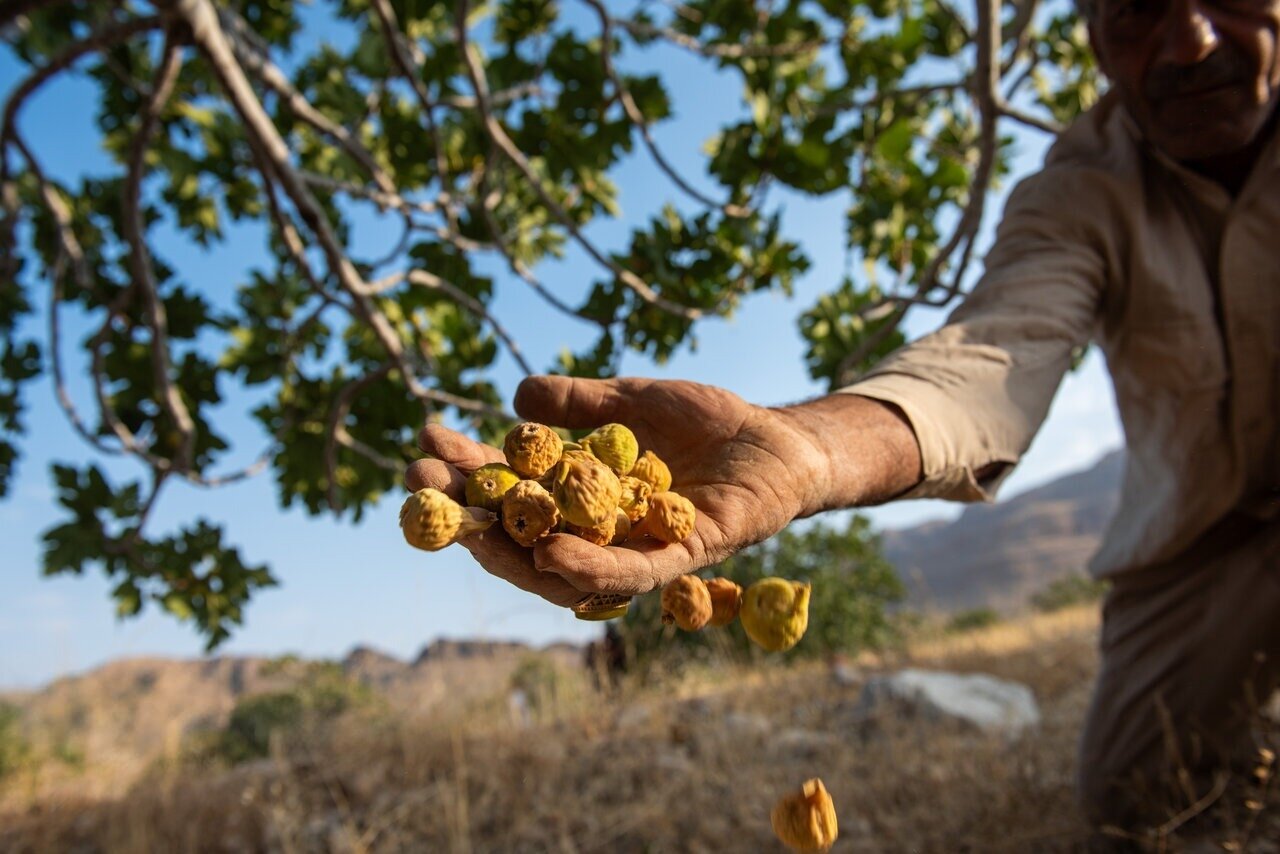
Fars province in southern Iran, home to more than 75% of the country’s fig cultivars and around 17% of the world’s, is one of the most important centers of rainfed fig production.
Among its key regions, Estahban holds a special place, with approximately 2.6 million fig trees cultivated across 25,950 hectares, making it one of the world’s leading centers for rainfed fig production.
For more than 250 years, Estahban’s gardeners have passed down their knowledge and experience from one generation to the next. Their expertise in traditional fig cultivation, combined with innovative water-management practices, has helped sustain the region’s orchards in a challenging, water-scarce environment.
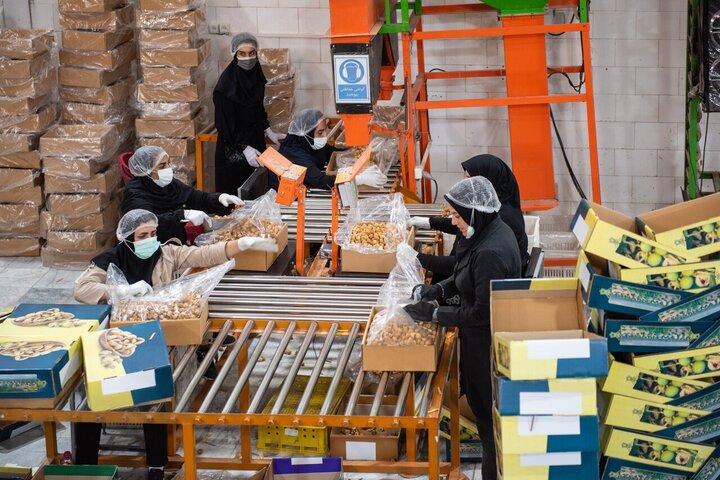
Their unique methods for capturing and efficiently using rainwater not only improve water use but also help protect the soil, reduce erosion, and maintain the long-term sustainability of the orchards.
These traditional yet sustainable practices show the important contribution of Estahban’s gardeners to preserving and continuing the development of rainfed fig production, both in Iran and around the world.
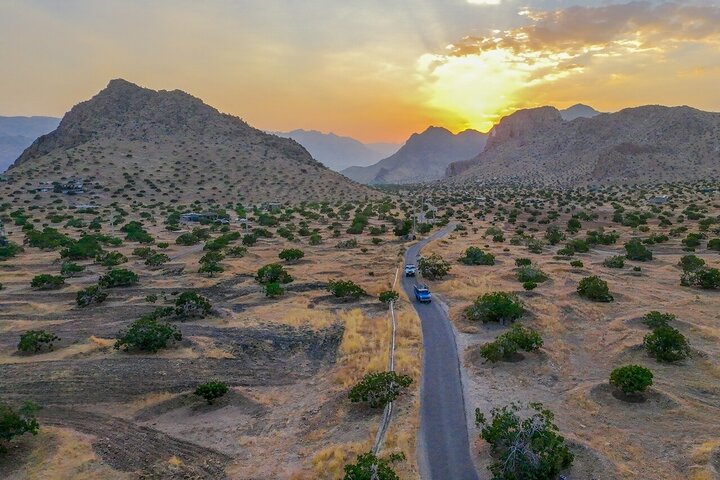
Rainfed fig cultivation plays a vital economic and social role in the region, providing livelihoods for thousands of families, directly and indirectly, and even providing food for both domestic and wild animals. Communities from the county’s main city regularly spend a month or more in the fig gardens each year, helping to pick the fruit.
Leave a Comment